As the days get shorter and the temperatures drop, you might find yourself feeling oddly out of sync. Well, you're not alone. The shorter days, longer nights, and colder weather can leave even the best of us feeling a little down.
This phenomenon is actually quite common and goes by a very fitting name: Seasonal Affective Disorder, otherwise known as SAD. Yes, the acronym says it all.
SAD is more than just the winter blues. It's a type of depression that occurs at the same time every year, usually in the fall or winter when there's less natural sunlight. Symptoms often include feeling lethargic, craving carbs, and a general drop in the mood department. Symptoms may include fatigue, hopelessness, difficulty concentrating, and a pervasive sense of gloom.
Unpacking Seasonal Affective Disorder & How To Manage It
Understanding what causes this disorder can be the first step toward managing it effectively. At its core, SAD is linked to the reduced exposure to sunlight, which disrupts your body's internal clock, also known as your circadian rhythm. This disruption can lead to reduced serotonin levels—a chemical in the brain that affects mood—and impact the production of melatonin, a hormone responsible for regulating sleep. Together, these changes can trigger symptoms of depression.
Interestingly, the disorder is more prevalent in higher latitudes where daylight hours are significantly shorter during winter. Women and younger adults are more likely to be affected, though the exact reasons remain unclear. It's crucial to recognise that SAD is a legitimate mental health condition and not just a case of feeling down. Identifying the signs early can lead to a more proactive approach in managing it through various treatment options.

Reach Out to Friends and Family
When the chill of winter sets in, it's easy to retreat into your own world, curling up under a blanket with your favourite book or binge-watching a new series. While alone time is important, remember that connecting with others can be a vital antidote to the isolation that often accompanies SAD.
Reaching out to friends and family doesn't have to be a grand gesture. Don't underestimate the power of small, consistent interactions. A simple phone call or a quick text to say "hello" can release endorphins, those wonderful hormones that boost your mood and make you feel happy. Scheduling a regular time to catch up with loved ones, whether it's a weekly video call or a casual meet-up, can work wonders for lifting your spirits. Imagine sharing a laugh, swapping stories, or reminiscing about good times; these moments can be invaluable during the grey winter months.
And let's be honest, who doesn't enjoy a little levity? Whether it's sharing a meme that made you chuckle or reminiscing over a favourite shared memory, humour can create an uplifting connection that transcends distance. Video calls have made it easier than ever to keep those connections alive. There’s something comforting about seeing a familiar face, even if it’s through a screen.
Exercise
It's tempting to stay snug under your cosy blanket, but giving in to that temptation can mean missing out on a natural and effective way to lift your spirits. Exercise acts like a natural antidepressant that releases endorphins—your body's feel-good chemicals. Even if it's just for a few minutes, the act of getting up and moving can significantly change the course of your day.
For those days when the weather outside truly is frightful, remember that your living room can be transformed into a mini-gym. A few moments of yoga can stretch not just your muscles but also your mind, calming and preparing you for any challenges ahead. If you're looking to spark some joy, why not turn up your favourite playlist and have a little dance-off? It’s not only fun but also an excellent way to boost your mood and get your blood circulating.
Remember, the goal isn't to become a marathon runner in a day. Start small. Perhaps a brisk walk around your block or a gentle stretching session to ease into things. The key is consistency, and soon you’ll find these moments of movement have become something you look forward to, turning those winter blues into winter wins.

Talk Therapy
Connecting with a mental health professional can open the door to understanding and managing what you're experiencing. The power of talk therapy lies in its ability to provide a safe and structured environment where you can explore what's on your mind without judgement. By working with a therapist, you can gain new insights, learn coping strategies, and develop a plan to tackle the unique challenges of SAD. Sometimes, just the act of expressing what's troubling you can lead to significant emotional relief. Therapy not only allows you to address your immediate feelings but also equips you with tools for future resilience. If you're feeling overwhelmed, reaching out to a counsellor or psychologist might just be the stepping stone towards feeling better.
Embrace Natural Light
Make the most of available daylight. By positioning yourself near windows, you invite that warmth and energy into your daily routine. This simple act can work wonders on your mood by stabilising your internal clock and boosting those all-important serotonin levels, acting like a natural antidepressant. So, take a moment to bask in the daylight, whether it's sipping your morning coffee or reading a book. Alternatively, plan walks outdoors during daylight hours whenever possible.
Taking Supplements to Combat SAD
During the cold, sun-starved months, there are many supplements can be your best allies against SAD. It's no secret that nutrition plays a pivotal role in mental well-being, and getting the right vitamins and minerals can make a significant difference. Here's a little more insight into how these supplements work their magic:
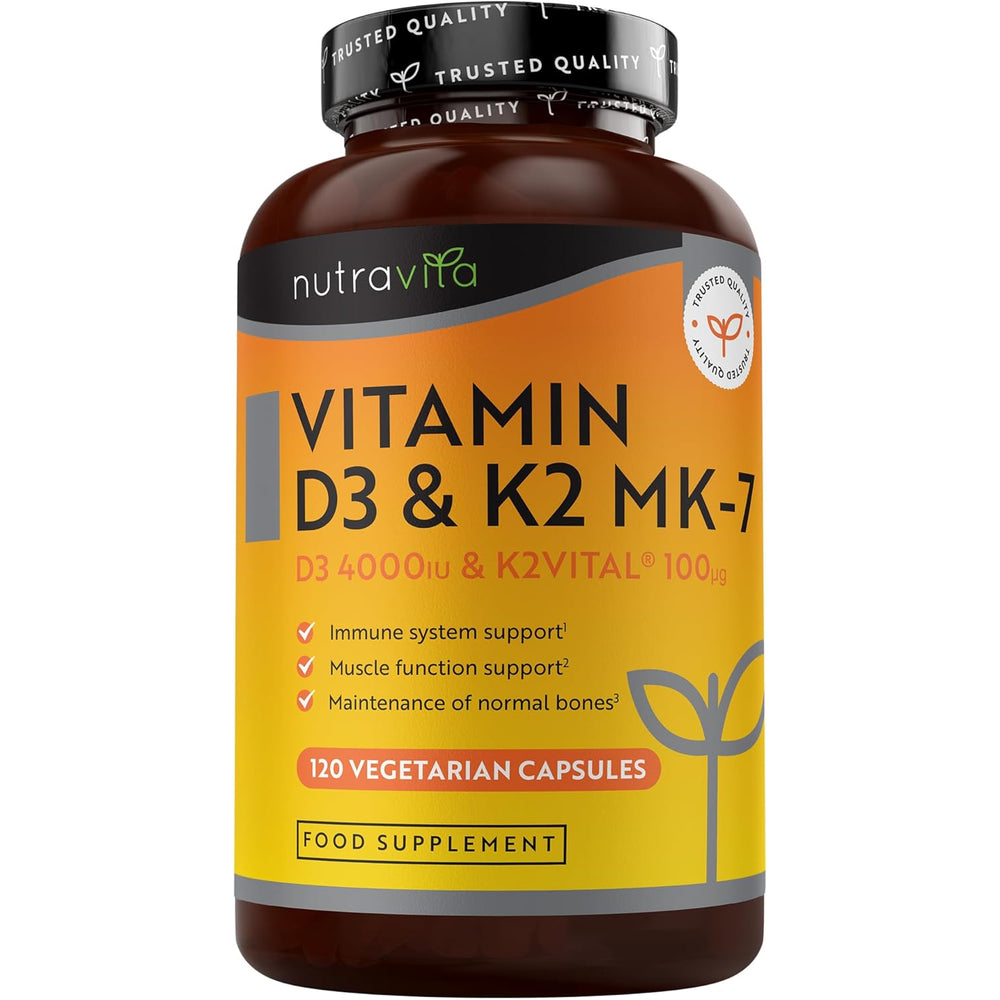
Vitamin D
Known as the "sunshine vitamin," this nutrient is synthesised in your skin when exposed to sunlight. However, with shorter days, it becomes challenging to get enough naturally. By supplementing your daily routine with Vitamin D, you tackle this deficiency, which not only supports bone health but also boosts your mood by regulating serotonin levels.
Omega-3
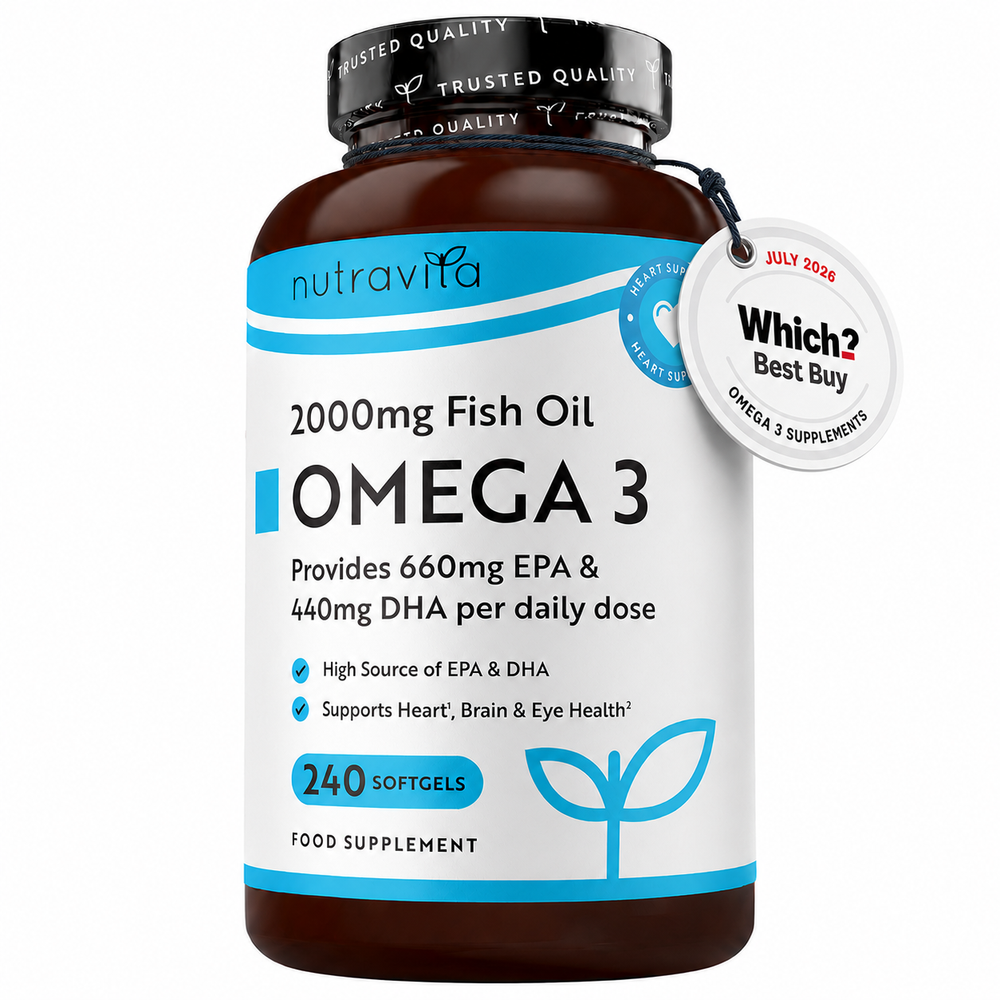
Found in fish oil and certain plant oils, omega-3s are known for their inflammatory-fighting properties. These essential fats have shown promise in improving symptoms of depression and promoting better brain function. Including them in your routine might help you sail through those murky days with a sharper mind and a lighter mood.
Magnesium
Often recommended for its calming effects, magnesium is a mineral that plays a crucial role in neurotransmitter function related to mood regulation. It can also help alleviate muscle tension and support a restful night's sleep, which are often disrupted during SAD episodes.